
A plumbing emergency can happen at any time, often without warning. Whether it’s a burst pipe, overflowing toilet, major leak, or sudden loss of water supply, these issues can escalate quickly and cause serious damage to your home or property. While professional plumbers are essential for proper repairs, knowing how to respond immediately before help arrives can make a major difference in minimizing damage, reducing costs, and keeping everyone safe.
Understanding the right steps to take during a plumbing emergency allows homeowners to stay calm and act quickly. This guide outlines practical steps you can take before a plumber arrives to control the situation effectively.
1. Shut Off the Main Water Supply Immediately
The very first step in almost any plumbing emergency is to stop the flow of water.
Why this is important:
- Prevents further flooding
- Limits water damage to floors, walls, and furniture
- Reduces pressure in damaged pipes
How to do it:
- Locate your main water shut-off valve
- Turn it clockwise to stop the water flow
- In apartments or condos, it may be located in a utility room, bathroom, or near the entrance
If you cannot find the valve quickly, ask building management or refer to your home’s plumbing layout if available.
2. Switch Off the Water Heater (If Connected to the Issue)
If the emergency involves hot water pipes or leaks near the water heater, it is important to shut it down.
Steps to follow:
- Turn off the power supply for electric heaters
- Switch off the gas supply for gas heaters
- Shut off the cold water inlet to the heater if possible
Why it matters:
- Prevents overheating or damage to the unit
- Reduces risk of pressure buildup
- Avoids further leakage from the system
Never operate a damaged water heater during a plumbing emergency.
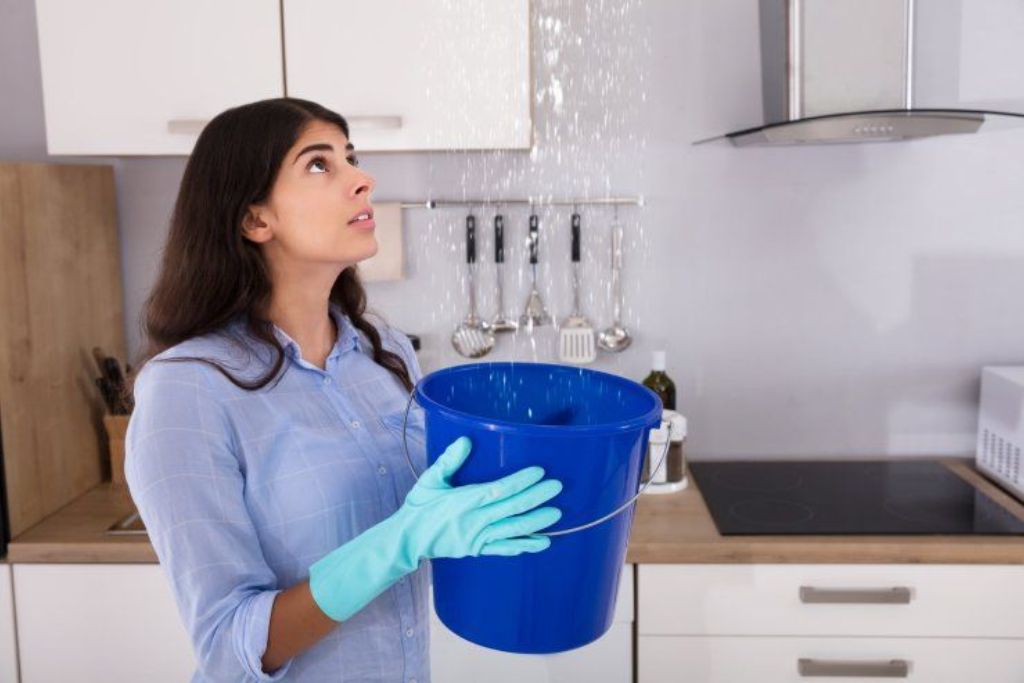
3. Contain the Water and Minimize Spread
After stopping the main water supply, focus on controlling the remaining water.
Useful methods:
- Place buckets or containers under leaks
- Use towels or mops to absorb water
- Apply waterproof tape or rubber patches for temporary sealing
- Use plastic sheets to protect furniture and electronics
These are temporary solutions designed to reduce damage until professional help arrives.
4. Protect Electrical Systems and Switch Off Power if Needed
Water and electricity are a dangerous combination. If water is near electrical outlets, appliances, or wiring, safety becomes the top priority.
Safety actions:
- Turn off the power at the main circuit breaker if it is safe to do so
- Avoid touching electrical appliances in wet areas
- Do not stand in water near power sources
- Unplug appliances only if you can do so safely
If you are unsure about electrical safety, do not take risks. Prioritize personal safety and wait for professionals or emergency services.
5. Clear the Area and Protect Belongings
Minimizing damage to personal belongings is an important part of emergency response.
What you can do:
- Move furniture away from wet areas
- Lift electronics, carpets, and valuables
- Use waterproof covers for items that cannot be moved
- Open doors and windows to improve ventilation
Quick action can significantly reduce long-term damage and mold growth.
Don't let plumbing problems disrupt your day
Protect your property with trusted plumbing solutions. Reach out to our team today for dependable service, quality workmanship, and lasting results.
6. Identify the Source of the Problem (Only If Safe)
If it is safe to do so, try to identify where the water is coming from. This helps plumbers diagnose the issue faster when they arrive.
Common sources include:
- Burst or leaking pipes under sinks
- Overflowing toilets
- Broken faucet connections
- Water heater malfunctions
- Wall or ceiling leaks from hidden pipes
However, never attempt to open walls or dismantle plumbing fixtures during an active leak. Only observe visible and safe areas.
7. Drain Remaining Water from the System
Once the main water supply is turned off, it is helpful to reduce pressure in the pipes.
How to do it:
- Turn on taps in sinks and bathrooms
- Flush toilets to empty tanks
- Let the remaining water drain naturally
This helps minimize further leakage and relieves pressure in the system.
8. Avoid Using Any Affected Plumbing Fixtures
During a plumbing emergency, it is important not to use any plumbing fixtures connected to the issue.
Avoid:
- Turning on taps in affected areas
- Using toilets connected to overflow or blockage issues
- Running washing machines or dishwashers
- Using showers or sinks near leaks
Using damaged systems can worsen the situation and lead to more extensive repairs.
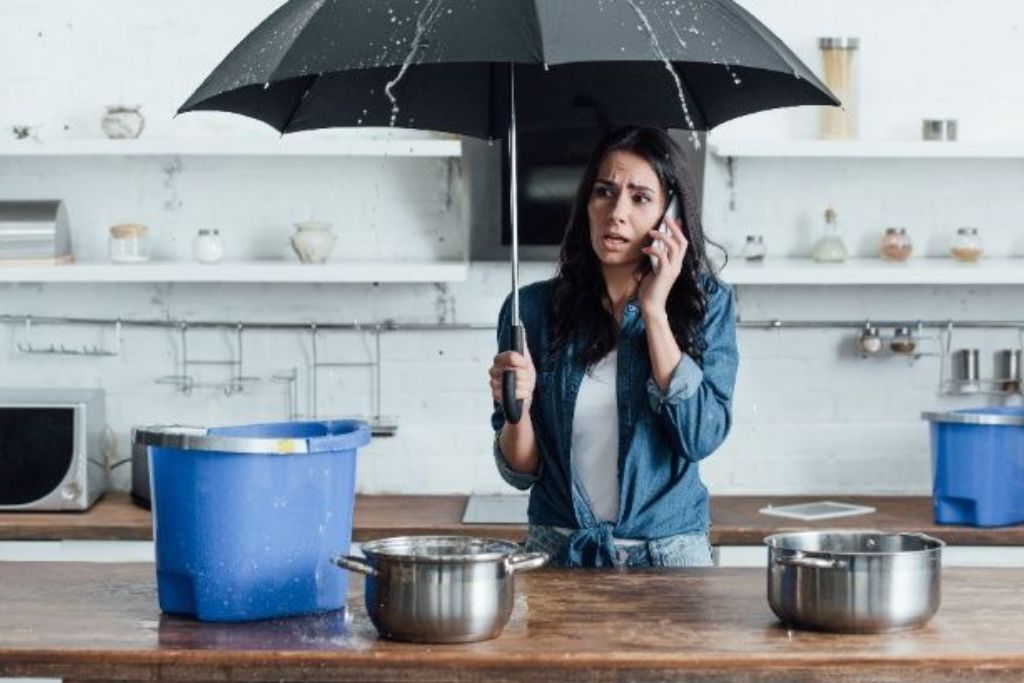
9. Call a Licensed Plumber Immediately
Once immediate damage control steps are taken, contact a licensed plumber as soon as possible.
When calling, provide:
- Clear description of the problem
- Location of the leak or damage
- Steps already taken (e.g., water shut off)
- Any visible signs of damage
The more information you provide, the faster and more effectively the plumber can respond.
10. Document the Damage for Insurance and Records
If the plumbing emergency causes significant damage, documentation is important.
What to record:
- Photos of leaks and affected areas
- Videos showing water damage
- List of damaged belongings
- Time and date of incident
This information can be useful for insurance claims or property management reports.
11. Dry and Ventilate the Affected Area
After controlling the immediate emergency, drying the area is crucial to prevent long-term damage.
Steps include:
- Open windows and doors for airflow
- Use fans or dehumidifiers if available
- Remove wet carpets and fabrics
- Wipe down wet surfaces
Why drying is important:
- Prevents mold and mildew growth
- Reduces unpleasant odors
- Protects walls and flooring from damage
Mold can begin forming within 24–48 hours, so quick drying is essential.
Don't let plumbing problems disrupt your day
Protect your property with trusted plumbing solutions. Reach out to our team today for dependable service, quality workmanship, and lasting results.
12. Stay Calm and Focus on Safety
Plumbing emergencies can be overwhelming, but staying calm helps you respond effectively.
Key reminders:
- Do not panic or rush into unsafe actions
- Focus on stopping water and preventing damage
- Prioritize safety over property
- Wait for professionals to complete repairs
A calm and structured response reduces mistakes and improves outcomes significantly.
13. Preventing Future Plumbing Emergencies
Once the emergency is resolved, it is important to take preventive steps to avoid future incidents.
Preventive measures include:
- Regular pipe inspections
- Replacing old or corroded pipes
- Checking water pressure levels
- Avoiding chemical drain cleaners
- Scheduling routine plumbing maintenance
Preventive care is often more cost-effective than emergency repairs.
Conclusion
Handling a plumbing emergency before help arrives requires quick thinking, clear actions, and a calm mindset. The most important steps include shutting off the water supply, protecting electrical systems, containing leaks, and calling a professional plumber immediately.
While these actions are temporary solutions, they play a crucial role in minimizing damage and protecting your home. Once the situation is under control, professional repairs are necessary to fix the root cause and prevent future issues.
By understanding and applying these emergency steps, homeowners can respond confidently, reduce property damage, and ensure a safer living environment during unexpected plumbing crises.