Water efficiency is becoming increasingly important for homeowners, businesses, and property managers. With rising water costs and greater environmental awareness, maintaining an efficient plumbing system is essential. One of the most effective ways to improve water efficiency in buildings is through pipe replacement.
Over time, pipes can deteriorate due to age, corrosion, mineral buildup, and general wear and tear. These issues can cause leaks, low water pressure, and inefficient water flow, leading to water wastage and higher utility bills. Replacing old or damaged pipes helps restore system performance and improve overall efficiency.
Understanding the Role of Pipes in Water Efficiency
Pipes are the foundation of any plumbing system. They are responsible for delivering clean water into a building and removing wastewater from it. When pipes are in good condition, water flows smoothly and efficiently with minimal loss.
However, when pipes become damaged or outdated, several problems can occur:
- Water leaks
- Reduced water pressure
- Blockages and buildup
- Uneven water distribution
- Increased water consumption
Even small inefficiencies in a piping system can lead to significant water waste over time. That is why maintaining or replacing pipes is crucial for long-term water conservation.
Reducing Water Leakage
One of the biggest contributors to water wastage in older plumbing systems is leakage. Small leaks in pipes may go unnoticed for long periods, but they can waste a large amount of water over time.
How pipe replacement helps:
- Eliminates hidden leaks caused by cracks or corrosion
- Replaces weak pipe joints and fittings
- Prevents underground or wall leaks
- Reduces continuous slow water loss
Even a minor leak can waste thousands of liters of water annually. By replacing deteriorating pipes, homeowners can significantly reduce unnecessary water loss and improve system efficiency.
Improving Water Pressure and Flow Efficiency
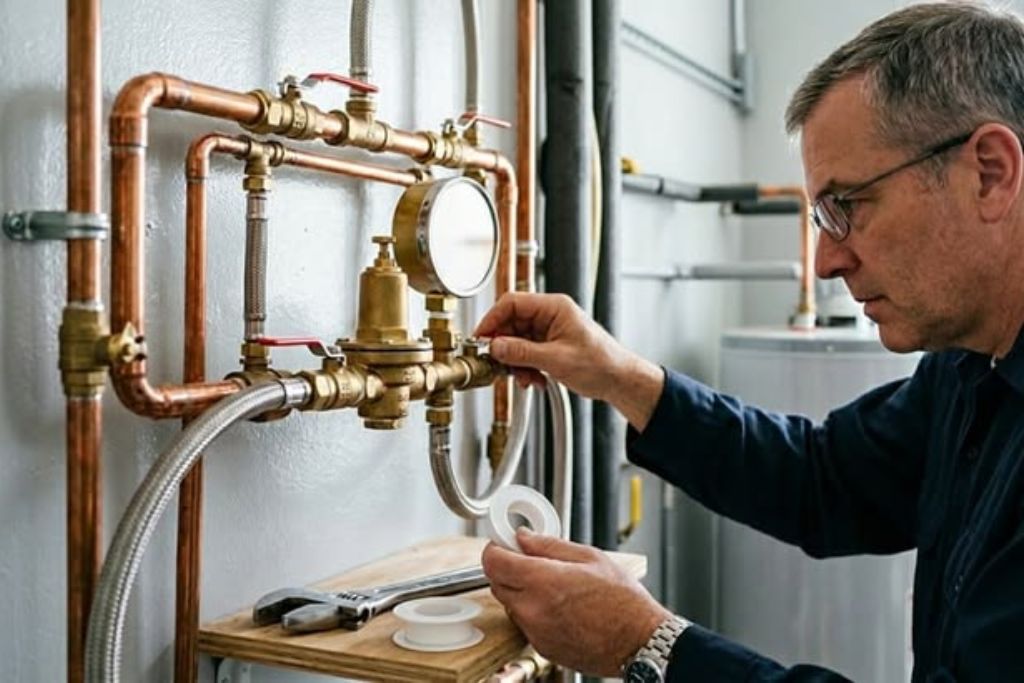
Old or damaged pipes often lead to inconsistent water pressure. This happens due to internal corrosion, mineral buildup, or partial blockages that restrict water flow.
Common issues caused by old pipes:
- Weak water pressure in showers and taps
- Uneven water distribution across rooms
- Slow-filling sinks and appliances
Benefits of pipe replacement:
- Restores consistent water pressure
- Ensures smooth water flow throughout the system
- Improves the performance of water-using appliances
- Reduces strain on pumps and heaters
With improved flow efficiency, less water is wasted due to slow or inefficient delivery.
Removing Mineral Buildup and Corrosion
Over time, pipes—especially older metal ones—can develop internal corrosion and mineral deposits. These deposits restrict water flow and reduce the internal diameter of the pipes.
Effects of buildup include:
- Reduced flow capacity
- Contaminated water quality
- Increased energy usage for pumping water
- Higher risk of pipe bursts
Replacing old pipes eliminates these blockages, restoring full water flow capacity and improving overall efficiency.
Modern piping materials such as PVC, PEX, and copper are more resistant to corrosion and buildup, making them more efficient long-term solutions.
Enhancing Water Distribution Efficiency
In a well-functioning plumbing system, water should be evenly distributed to all fixtures, including bathrooms, kitchens, and outdoor taps. However, aging pipes often disrupt this balance.
Problems caused by poor distribution:
- Some areas receive low water pressure
- Appliances take longer to fill
- Uneven performance across floors in multi-story buildings
Pipe replacement ensures a balanced and efficient distribution system. New piping layouts can also be designed to optimize water flow, reducing unnecessary pressure loss and improving overall performance.
Don't let plumbing problems disrupt your day
Protect your property with trusted plumbing solutions. Reach out to our team today for dependable service, quality workmanship, and lasting results.
Preventing Emergency Water Loss
Pipe failures can cause sudden, severe leaks that waste large amounts of water and lead to property damage.
Risks of failing pipes:
- Burst pipes
- Flooding inside walls or ceilings
- Structural damage to property
- High emergency repair costs
Replacing aging pipes before they fail helps prevent these emergencies. This proactive approach ensures continuous water efficiency and protects both water resources and property value.
Supporting Modern Water-Saving Fixtures
Modern homes often use water-efficient fixtures such as low-flow showerheads, dual-flush toilets, and energy-efficient appliances. However, these fixtures only perform optimally when supported by a reliable piping system.
How pipe replacement supports modern fixtures:
- Ensures stable pressure for low-flow systems
- Prevents restrictions that reduce fixture efficiency
- Improves compatibility with modern plumbing designs
Without proper piping, even the most efficient fixtures cannot perform effectively, leading to wasted water and reduced savings.
Improving Water Quality and Reducing Waste
Old pipes can negatively affect water quality, leading to discoloration, unpleasant taste, or contamination from rust and sediment. As a result, users may waste water by running taps longer to achieve a clean flow.
Pipe replacement benefits include:
- Cleaner and safer water delivery
- Reduced sediment and rust contamination
- Less water is wasted while flushing the pipes
- Improved overall hygiene and usability
Better water quality encourages efficient usage and reduces unnecessary consumption.
Increasing Energy Efficiency in Water Systems
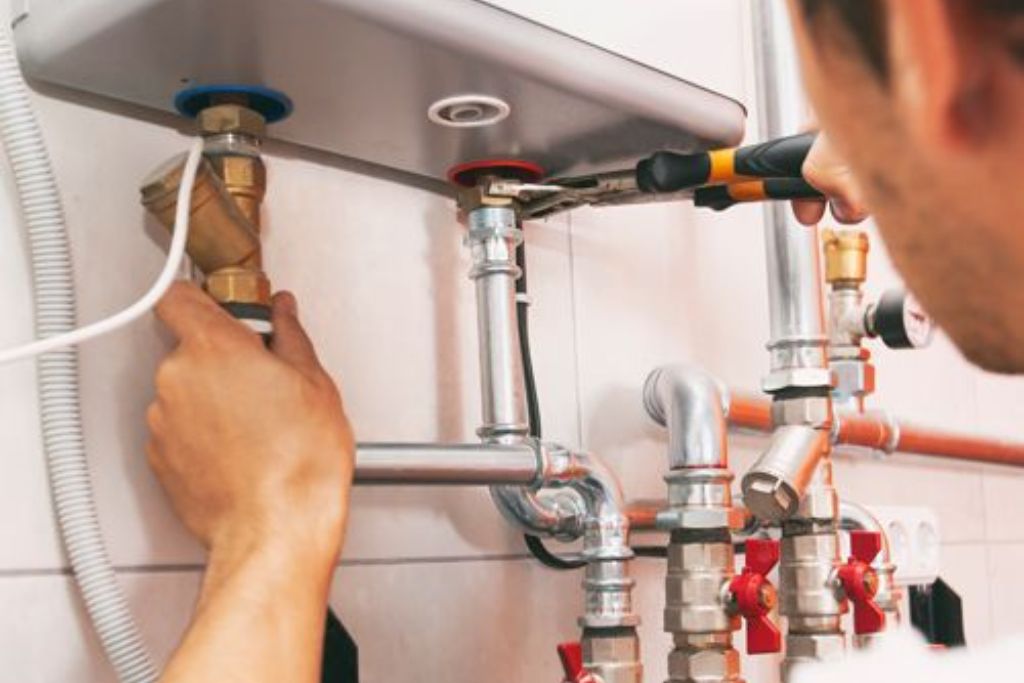
Water efficiency is closely linked to energy efficiency, especially in systems that use water heaters or pumps. When pipes are inefficient, water heaters must work harder and longer to deliver hot water.
How pipe replacement improves energy use:
- Faster delivery of hot water
- Reduced heat loss in transit
- Lower energy consumption from pumps
- More efficient water heating cycles
This means that improving pipe efficiency not only saves water but also reduces electricity or gas bills.
Long-Term Cost Savings
While pipe replacement may require an upfront investment, it leads to significant long-term savings.
Cost-saving benefits include:
- Lower water bills due to reduced leaks
- Reduced repair and maintenance costs
- Fewer emergency plumbing issues
- Extended lifespan of plumbing systems
Over time, the savings from improved water efficiency often outweigh the initial replacement cost.
Supporting Environmental Sustainability
Water conservation is an important part of environmental sustainability. By improving water efficiency through pipe replacement, households and businesses contribute to:
- Reduced water wastage
- Lower strain on water supply systems
- Sustainable resource management
- Environmental protection efforts
Efficient plumbing systems play a small but important role in global water conservation efforts.
Don't let plumbing problems disrupt your day
Protect your property with trusted plumbing solutions. Reach out to our team today for dependable service, quality workmanship, and lasting results.
When Should Pipes Be Replaced?
Knowing when to replace pipes is essential for maintaining water efficiency.
Common signs include:
- Frequent leaks
- Rust-colored water
- Low or inconsistent water pressure
- Strange noises in pipes
- Visible corrosion or damage
If these issues are present, replacing pipes is often more cost-effective than repeated repairs.
Conclusion
Pipe replacement is one of the most effective ways to improve water efficiency in any building. By eliminating leaks, restoring water pressure, removing buildup, and improving distribution, new piping systems help reduce water wastage and enhance overall performance.
Beyond water savings, pipe replacement also improves water quality, supports energy efficiency, and reduces long-term maintenance costs. It is a practical investment that benefits both property owners and the environment.
Ultimately, maintaining an efficient plumbing system through timely pipe replacement ensures reliable water flow, lower utility bills, and sustainable water usage for years to come.