
Water pipe leaks are one of the most common plumbing problems faced by homeowners in Singapore. While the issue may seem minor at first—often starting as a small damp patch or a slow drip—it can quickly escalate into serious water damage, mould growth, and increased utility bills if left untreated.
Understanding the root causes of pipe leaks can help homeowners take preventive steps and respond quickly before the problem worsens. Singapore’s humid weather and tightly packed residential developments place continuous pressure on plumbing systems, making pipe leaks more likely as they age. Below are the most common causes of water pipe leaks in Singapore homes.
1. Aging and Deteriorating Pipes
One of the leading causes of pipe leaks is simply age. Over time, pipes naturally wear out due to constant water flow, pressure changes, and exposure to moisture.
Older HDB flats and landed properties may still use outdated piping materials such as galvanized iron, which is prone to rust and corrosion. As pipes age, they become thinner, weaker, and more likely to crack or develop pinhole leaks.
Even modern copper or PVC pipes are not immune to deterioration. After years of use, joints and connections may loosen, leading to slow leaks that are difficult to detect at first.
2. Corrosion Inside the Pipes
Corrosion is another major issue affecting plumbing systems. It occurs when metal pipes react with oxygen and water over time, gradually breaking down the material.
In Singapore’s high-humidity environment, corrosion can occur more rapidly, particularly in older homes. Once corrosion begins, it often creates small holes or weak spots in the pipe walls, resulting in leaks.
Corrosion is also accelerated by:
- Poor water quality
- High mineral content in water
- Lack of protective pipe coatings
Once corrosion starts, it is usually irreversible, and affected pipes often need replacement.
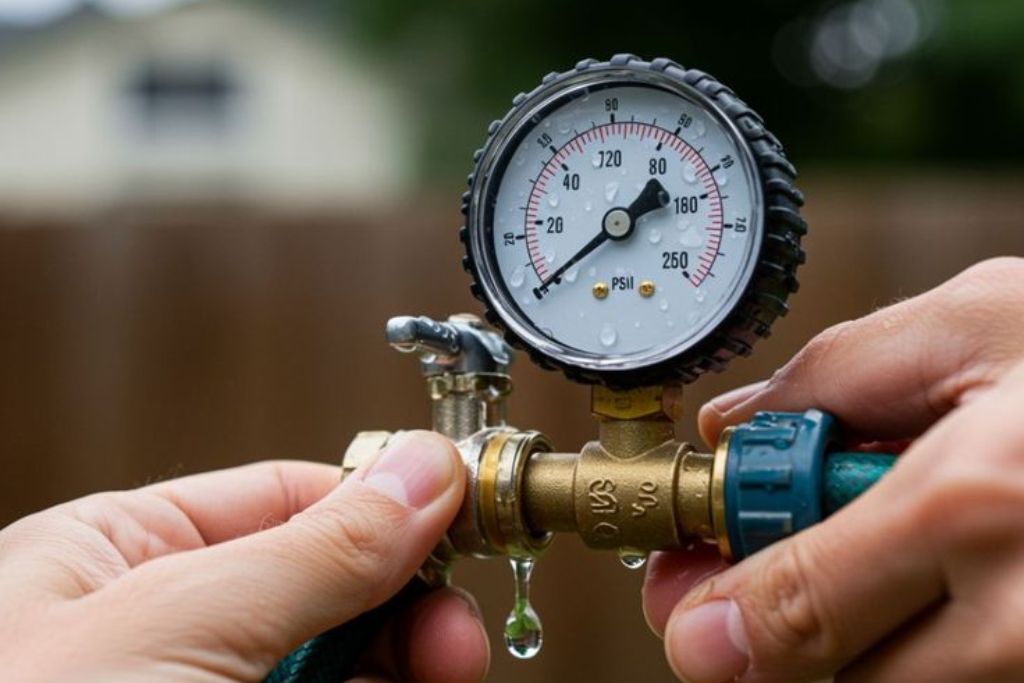
3. High Water Pressure
While strong water pressure may feel convenient in showers and taps, excessively high pressure can put serious strain on plumbing systems.
Pipes are designed to handle a certain level of pressure. When water pressure exceeds this limit, it can cause:
- Joint failures
- Pipe cracking
- Sudden bursts in weak sections
In many Singapore homes, especially high-rise apartments, water pressure fluctuations can occur due to municipal supply systems or booster pumps. Without proper pressure regulation, constant stress can significantly reduce the lifespan of pipes.
4. Poor Installation Workmanship
Improper pipe installation is another common cause of leaks, particularly in renovated homes or newly built properties where workmanship quality may vary.
Common installation issues include:
- Loose pipe fittings
- Incorrect pipe sizing
- Poor sealing at joints
- Use of low-quality materials
Even a small installation error can lead to long-term problems. A poorly sealed joint may not leak immediately. However, it can slowly drip over time, damaging surrounding walls or flooring.
This is why hiring experienced and certified plumbers is essential for any plumbing work.
5. Blockages and Clogs in the Plumbing System
Blocked pipes can also contribute to leaks. When debris, grease, hair, or foreign objects accumulate inside the pipes, water flow becomes restricted.
This restriction increases internal pressure, especially in smaller pipe sections or bends. Over time, the added stress can cause weak points to crack or joints to loosen.
In kitchen and bathroom drainage systems, blockages are especially common due to:
- Cooking oil and grease buildup
- Soap residue
- Hair and organic waste
If left unresolved, blockages can lead to pipe bursts or seepage into walls and floors.
Don't let plumbing problems disrupt your day
Protect your property with trusted plumbing solutions. Reach out to our team today for dependable service, quality workmanship, and lasting results.
6. Ground Movement and Structural Shifts
In some cases, pipe leaks result from structural movement within the building itself. As buildings age, slight shifting or settling can occur. This is especially relevant in landed properties or older structures. When the ground or building structure moves, it can:
- Bend pipes
- Stress joints
- Cause misalignment in plumbing lines
Even minor shifts can create enough pressure to crack pipes or loosen fittings, leading to hidden leaks behind walls or underground.
7. Damaged Pipe Joints and Connections
Most plumbing leaks do not occur in the middle of a pipe, but at the joints where sections are connected.
These joints are vulnerable because they rely on seals, adhesives, or fittings to stay watertight. Over time, these materials can degrade or loosen.
Common reasons for joint failure include:
- Poor sealing during installation
- Vibration from water flow
- Aging rubber seals or washers
- Repeated pressure changes
Joint leaks are often slow and difficult to detect until visible signs like damp walls or ceiling stains appear.
8. Chemical and Water Quality Effects
The quality of water flowing through pipes can also impact their lifespan. Certain chemicals and minerals present in water may slowly wear down the inside of pipes over time.
For example:
- High chlorine levels can affect certain materials
- Hard water can leave mineral deposits inside pipes
- Cleaning chemicals may corrode exposed plumbing fixtures
Over time, these factors contribute to internal damage, making pipes more prone to leaks and blockages.
9. DIY Repairs and Temporary Fixes
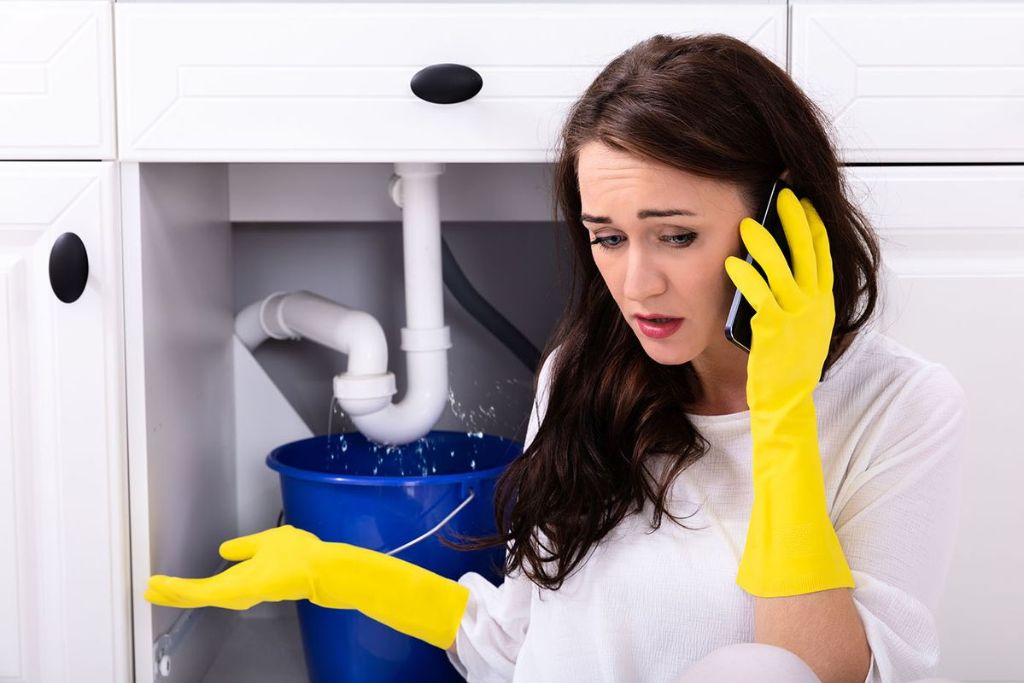
Improper DIY plumbing repairs can sometimes worsen the situation. While temporary fixes like sealing tape or adhesives may stop a leak briefly, they do not address the underlying issue.
In many cases, DIY repairs can:
- Masked hidden damage
- Delay proper repair work
- Cause further stress on the surrounding pipe sections
This often results in more severe leaks later on, requiring more extensive repairs.
Preventing Water Pipe Leaks in Singapore Homes
While leaks cannot always be avoided, proper maintenance can significantly reduce the risk. Homeowners can take the following preventive steps:
- Schedule regular plumbing inspections
- Monitor water pressure levels
- Avoid flushing grease or solids down drains
- Replace old or corroded pipes early
- Fix small leaks immediately before they worsen
Preventive maintenance is especially important in older homes, where plumbing systems may already be under strain.
Don't let plumbing problems disrupt your day
Protect your property with trusted plumbing solutions. Reach out to our team today for dependable service, quality workmanship, and lasting results.
When to Call a Professional Plumber
Not all leaks are visible. Some occur behind walls, under floors, or underground. Homeowners should look out for warning signs such as:
- Unexplained increase in water bills
- Damp or discoloured walls
- Mould or mildew smell
- Low water pressure
- Sound of running water when taps are off
When these signs appear, it is best to engage a professional plumber. Advanced tools such as leak detection equipment and pressure testing can identify hidden issues accurately and prevent further damage.
Conclusion
Water pipe leaks in Singapore homes can be caused by a wide range of factors, from aging pipes and corrosion to poor installation and high water pressure. While some issues develop gradually over time, others can occur suddenly and cause significant damage if not addressed quickly.
By understanding the common causes and taking preventive measures, homeowners can protect their properties, reduce repair costs, and maintain a safe and efficient plumbing system. Regular maintenance and timely professional intervention remain the most effective ways to prevent small leaks from becoming major plumbing emergencies.